


Understanding Why Teeth Shift After Orthodontic Treatment
You spent years wearing braces and finally achieved the straight smile you always wanted. So why do your teeth seem crooked again?
If you’ve noticed your teeth shifting years after orthodontic treatment, you’re not alone. Many adults experience what’s known as orthodontic relapse, a common occurrence where teeth gradually move out of their original positions over time.
At Neighborhood Dental in Brandon, SD, Dr. Heesch is our Invisalign® provider and frequently meets patients who had braces as teenagers and are now wondering why their teeth are becoming crowded, crooked, or misaligned again. The good news is that modern Invisalign® clear aligners can often help restore your smile without the need for traditional braces.
Why Do Teeth Shift After Braces?
Even after successful orthodontic treatment, teeth are never completely “locked” into place. Several factors can contribute to shifting over time.
You Stopped Wearing Your Retainer
One of the most common reasons teeth become crooked again is inconsistent retainer use.
Retainers help hold teeth in their corrected positions while the surrounding bone and tissues stabilize. Without a retainer, teeth naturally tend to drift back toward their original alignment.
Even patients who wore their retainers faithfully for several years may experience gradual movement if they stop wearing them altogether.
Natural Aging Changes
As we age, our teeth and jaws continue to change.
Many adults notice:
- Increased crowding of the lower front teeth
- Small gaps developing between teeth
- Changes in bite alignment
- Teeth appearing more crooked than they did in their 20s
These changes can occur even if you had braces in the past.
Teeth Grinding and Clenching
Bruxism (teeth grinding or clenching) places significant pressure on teeth and supporting structures.
Over time, this pressure can contribute to tooth movement and changes in bite, especially when combined with other factors.
Tooth Loss or Dental Work
Missing teeth can allow neighboring teeth to drift into open spaces.
Likewise, changes caused by crowns, bridges, or other restorative treatment can sometimes affect alignment if not addressed appropriately.
Signs Your Teeth May Be Shifting
You may benefit from an orthodontic evaluation if you notice:
- Crowded front teeth
- Teeth overlapping one another
- New gaps between teeth
- Changes in your bite
- Difficulty flossing between certain teeth
- Increased wear on specific teeth
- A smile that looks different from how it used to
Even minor movement can become more noticeable over time if left untreated.
Problems Invisalign Can Help Correct
Many adults are surprised to learn that Invisalign can treat more than just slightly crooked teeth.
Depending on your individual needs, Invisalign may help address:
Crooked Teeth
Teeth that have rotated, overlapped, or shifted out of alignment can often be repositioned using clear aligners.
Crowded Teeth
Crowding can make brushing and flossing more difficult and increase the risk of plaque buildup, cavities, and gum disease.
Gaps Between Teeth
Spacing issues can affect both appearance and function. Invisalign can help close unwanted gaps and improve smile aesthetics.
Overbite
An overbite occurs when upper teeth significantly overlap the lower teeth. Invisalign can often help improve mild to moderate overbite concerns.
Underbite
An underbite happens when lower teeth sit in front of upper teeth. Certain underbite cases may be improved with Invisalign treatment.
Bite Misalignment
When teeth do not come together properly, patients may experience uneven wear, discomfort, or difficulty chewing. Invisalign can help improve overall bite function in many cases.
Is Invisalign a Good Option After Braces?
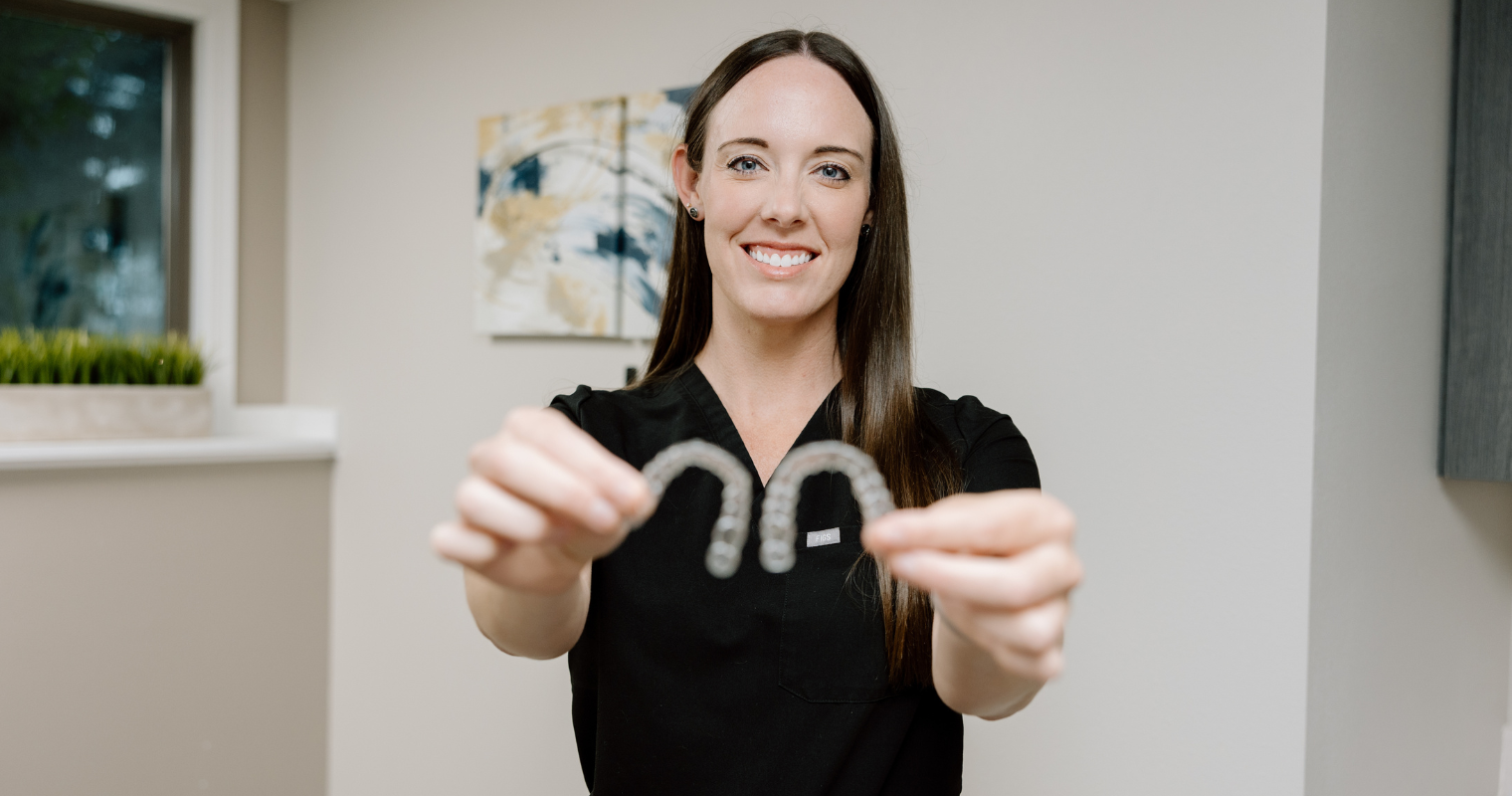
For many adults, the answer is yes.
Invisalign is often ideal for patients who:
- Previously had braces
- Want a discreet treatment option
- Have mild to moderate relapse
- Want to improve their smile without metal brackets and wires
Because the aligners are removable, patients can continue enjoying their favorite foods while maintaining their normal brushing and flossing routines.
How Long Does Invisalign Take?
Treatment time varies depending on the amount of movement needed.
Some patients who are simply correcting minor relapse after braces may complete treatment in as little as several months, while more complex cases may require longer treatment.
During your consultation, Dr. Heesch can evaluate your smile and provide a personalized treatment timeline using Align Technology.
Don’t Let Small Shifts Become Bigger Problems
Many adults assume that because they had braces years ago, there’s nothing they can do about teeth that have shifted.
✖️Fortunately, that’s not true.
Whether you’re noticing crowded teeth, gaps, bite changes, or a smile that no longer looks the way it once did, Invisalign may help restore alignment and confidence without traditional braces.
If your teeth have become crooked again after braces, the team at Neighborhood Dental in Brandon, SD, can help determine whether Invisalign is right for you.
Schedule your consultation today and take the first step toward getting your smile back on track.

Frequently Asked Questions
Can teeth become crooked again after braces?
Yes. Teeth can gradually shift due to aging, lack of retainer use, grinding, or other changes in your mouth.
Can Invisalign fix teeth that shifted after braces?
In many cases, yes. Invisalign is commonly used to correct orthodontic relapse in adults.
Why are my bottom teeth becoming crowded as I get older?
Natural aging changes can cause the lower front teeth to shift and crowd over time.
Do I need braces again if my teeth have moved?
Not necessarily. Many adults qualify for Invisalign as a discreet alternative to traditional braces.
How long does Invisalign take after braces?
Treatment varies, but patients correcting minor relapse often complete treatment faster than those undergoing comprehensive orthodontic treatment for the first time.