


Wisdom Tooth Extraction – Brandon, SD
Making a “Wise” Decision to Ensure a Healthier Smile
Wisdom tooth extractions are common among those between the ages of 16 and 25. Whether partially erupted or impacted, these third molars often lack adequate space, leading to pain and the potential for serious dental problems. Fortunately, at Neighborhood Dental – Brandon, our talented dentists can remove these unnecessary teeth, leaving smiles healthier and better protected against infection and dental damage. Call to schedule a consultation today to determine whether it’s time to have your wisdom teeth removed.
Why Choose Neighborhood Dental – Brandon for Wisdom Tooth Extraction?
- Pain-Free Dentistry with Advanced Dental Technology
- Teenagers & Adults Are Welcome in Our Dental Office
- Providing First-Rate Dental Care for 40+ Years
What are Wisdom Teeth?
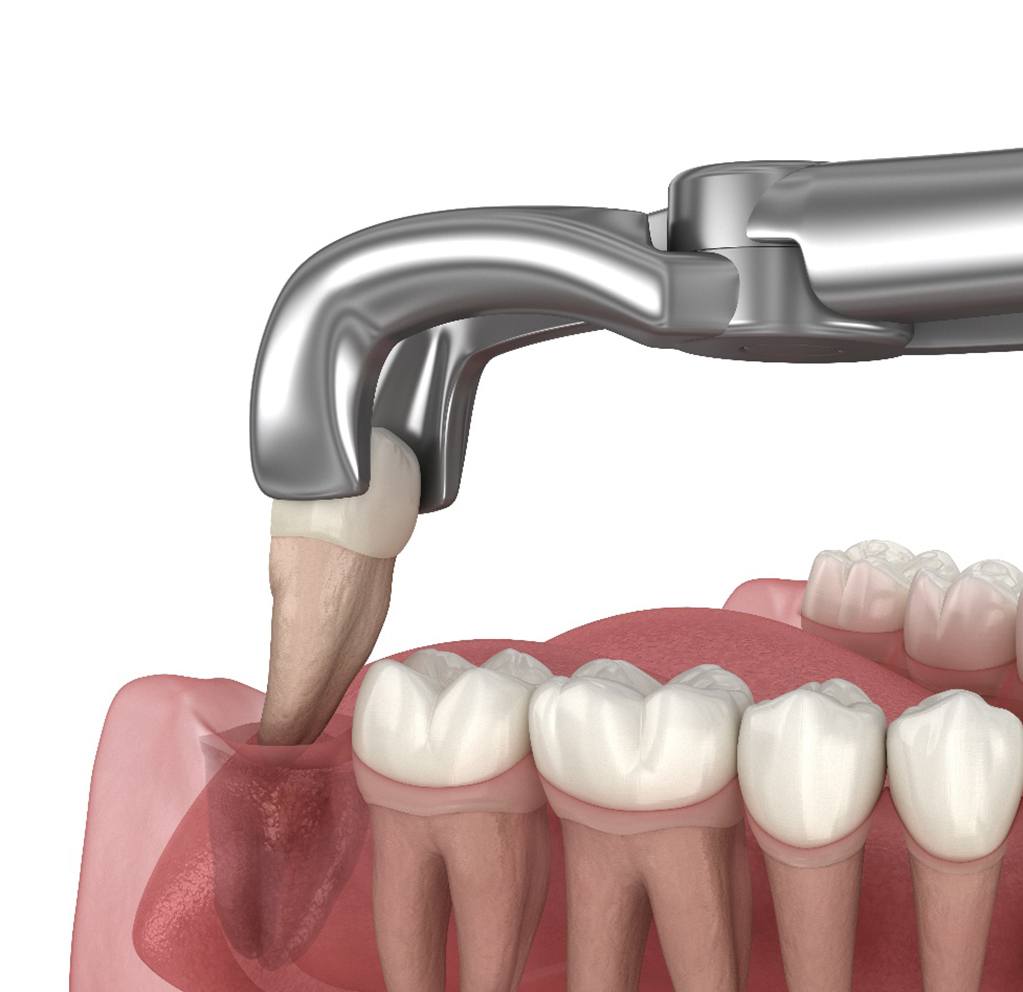
Wisdom teeth, or “third molars,” are those located at the back of the mouth. As the last to erupt, often when a person is in their late teens or early twenties, there are usually four, one in each quadrant; however, some people only have one or two. Some individuals also never develop wisdom teeth, so extraction is not necessary for all patients.
Why Do Wisdom Teeth Need to Be Removed?

Not all wisdom teeth require extraction. Some third molars move into place without issue. In most cases, however, removal is required for the following reasons:
- Pain
- Infection
- Cysts
- Impaction
- Misalignment
- Dental decay forming around partially erupted wisdom teeth
What to Expect from the Wisdom Teeth Procedure
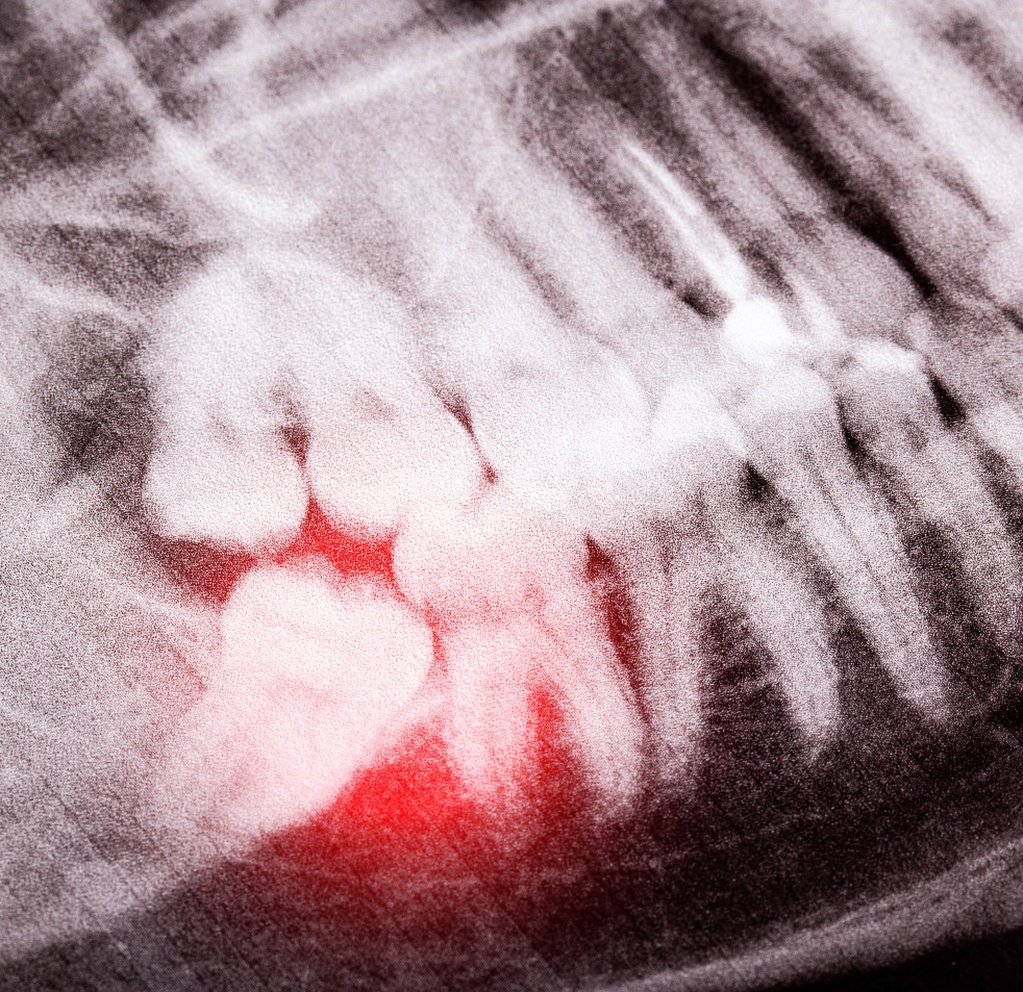
There are two ways to remove wisdom teeth: a simple procedure or a surgical one. If the tooth has partially erupted, the removal process should be fairly simple. With specialized instruments, such as dental pliers and an elevator, we should be able to lift the tooth from its socket and carefully move it back and forth until it detaches.
If the tooth is impacted (beneath the gumline), a surgical approach is required. This means opening your gums and removing the wisdom tooth in sections. This prevents further damage to the underlying bone, allowing everything to heal swiftly and successfully.
Recovering from Wisdom Teeth Extraction

After your wisdom teeth are removed, you will need to follow specific aftercare instructions to avoid a dry socket or other serious complications. You can heal properly by:
- Getting ample rest after returning home from your procedure
- Keeping your head elevated to prevent blood from rushing to the area and causing further discomfort
- Taking over-the-counter pain relievers to manage your discomfort
- Using clean gauze to control additional bleeding
- Avoiding hard, crunchy foods
- Not using a straw to drink a beverage and not smoking or spitting
- Sticking to a soft food diet for a short while to allow for better healing
- Avoiding strenuous physical activity